Written By: Lauren Long
Date Published: August 14, 2024
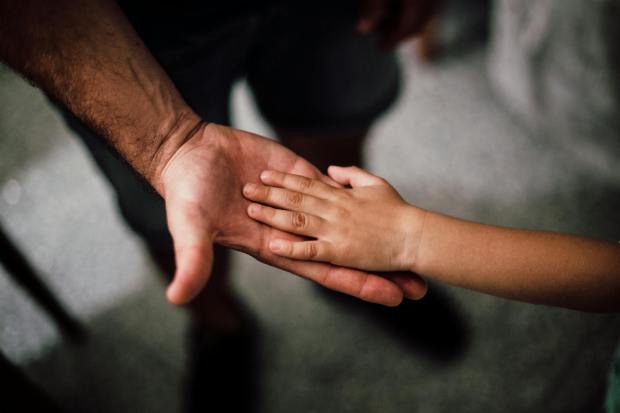
“Taking the kids from our districts, forcing them to kill one another while we watch – this is the Capitol’s way of reminding us how totally we are at their mercy. How little chance we would stand of surviving another rebellion. Whatever words they use, the real message is clear. “Look how we take your children and sacrifice them and there’s nothing you can do. If you lift a finger, we will destroy every last one of you. Just as we did in District 13.” ~ The Hunger Games, Suzanne Collins
The first time I read Suzanne Collins’s The Hunger Games, I was a university student, a young woman finding her voice and honing her writing skills. After I published my essay about the series’ heroine Katniss Everdeen, I was compelled to go back and reread the series.
Reading these books again over 10 years later, it’s funny how your perspective about books and the lessons they teach change as you get older.
When I read The Hunger Games for the first time in my early twenties, I was thrilled to see a strong female lead in Katniss Everdeen. I still love her for that, but with that affection and respect comes sadness. Through the glimpses into her past, when she’s talking about her early years, we get the sense that Katniss had a mind of her own and was quite outspoken before she realized that those things could get her into more serious trouble than just a telling-off from her parents. When her father died, Katniss had to be strong in a new way, and that’s been carried forward to when we meet her at the start of the novel.
Katniss is strong because she has to be and has had to since she was 11. She sacrificed her childhood to keep her family together and assumed the role of the protector of her mother and sister. Katniss is not the only one whose childhood has been lost, however. Every child in the Districts has had their childhood stolen by the fear that they will be chosen as tributes, and those who are and go to the Capitol have their lives taken in the arena. They never get a chance to have a normal childhood or a life.
Upon her winning the Games, Katniss does not feel a sense of victory, but sadness at the knowledge of the deaths of the twenty-two other tributes. “The windows of the lobby are darkened, and a handful of guards stand on duty. No one else is there to see us cross to the tribute elevator. Our footsteps echo in the emptiness. And when we ride up to the twelfth floor, the faces of all the tributes who will never return flash across my mind and there’s a heavy, tight place in my chest.”
The Hunger Games, I believe, is a warning. Suzanne Collins wrote this series as a lesson/teaching moment to not become desensitized to violence, but I think she also wrote it as an admonition to what our society and world could become if we’re not careful because there are people who are sick enough to think that a televised event of children forced to fight each other to the death is entertainment.
Thanks for reading!
Until next time.

